Belmont & Hawthorne

The Belmont & Hawthorne project focuses on creating a cohesive visual identity for a mixed-use urban corner that integrates retail, hospitality, and community life. By treating the area as a shared platform and implementing thoughtful design elements, the project aims to transform the location into a vibrant destination through effective wayfinding and digital presence.
Belmont and Hawthorne approached us with a clear vision: to create a brand identity that not only stood out but also communicated their unique approach to money management. Our objective was to design a logo that encapsulated their philosophy of relationship-driven business growth and strong values.
Design Process
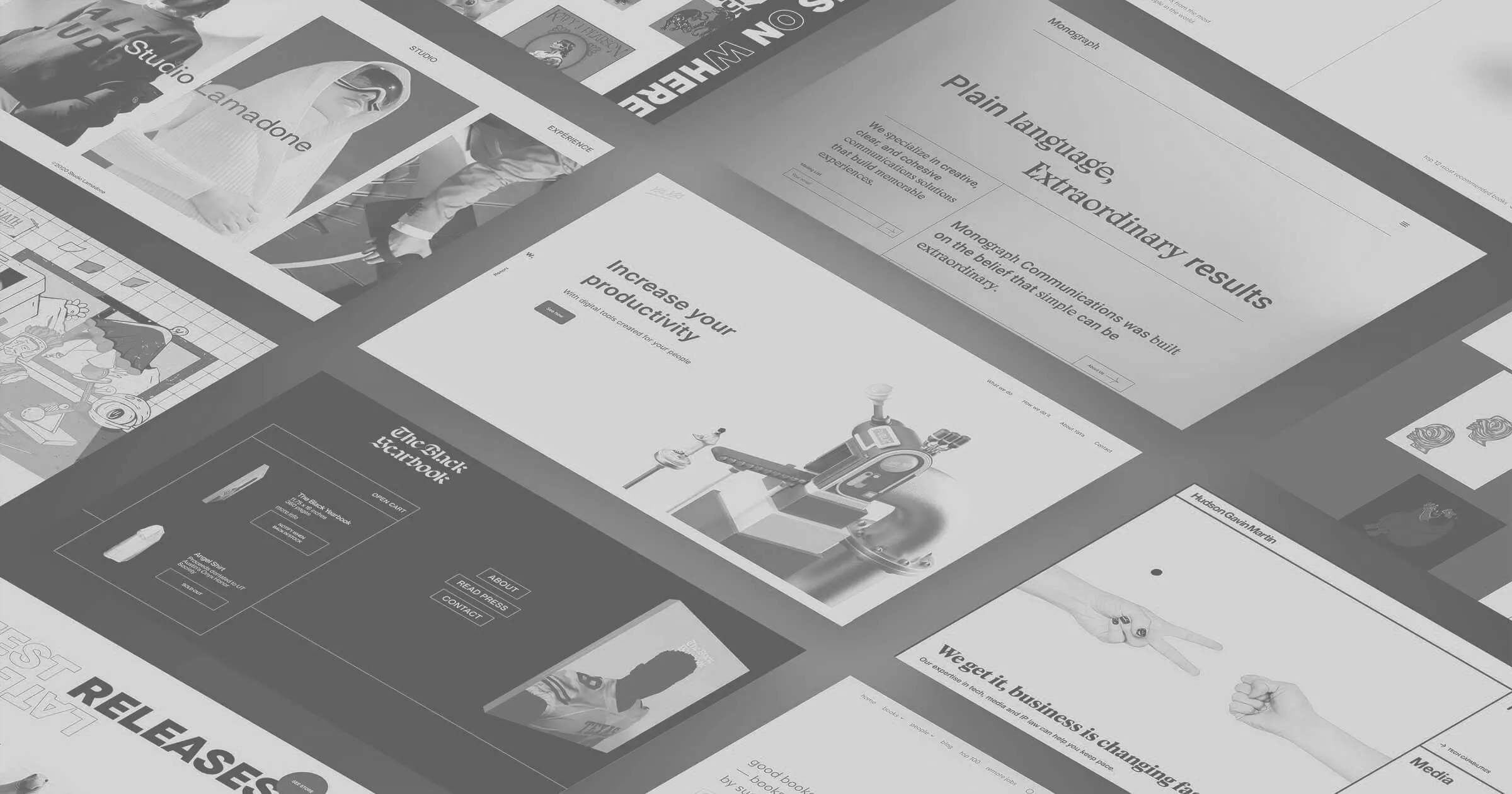
- Font Selection: We chose a Serif font for the logo to suggest reliability, conventionality, and trust. Serif fonts are traditionally associated with these qualities, making them an ideal choice for a company in the financial sector.
- Color Scheme: The color scheme was another crucial element. We opted for a dark palette with a bold accent color—plumb. The dark tones convey sophistication and stability, while the plumb accent adds a touch of boldness and modernity.
- Material Choices: To elevate the brand further, we paid special attention to the material choices for their business collateral. Custom business cards were created using tactile paper, enhancing the brand’s physical presence and leaving a lasting impression.
The result was a cohesive brand identity that not only reflects Belmont and Hawthorne’s mission but also sets them apart in the competitive landscape of money management. The logo, combined with the thoughtful use of materials and colors, effectively communicates the company’s commitment to relationships, values, and innovative business practices.
Belmont & Hawthorne
Belmont & Hawthorne represents a mixed‑use urban corner where retail, hospitality, and neighborhood life intersect.
Project overview
This concept case study explores how visual identity and place‑based storytelling could support a corridor or property at this intersection:
- A flexible name and mark that can stretch across multiple tenants and uses.
- Wayfinding, signage, and environmental cues that make the area feel intentional and connected.
- A simple digital presence to highlight businesses, events, and leasing opportunities.
Approach
- Treated the corner as a shared platform rather than a single brand.
- Built typographic and color systems that balance character with longevity.
- Sketched web and print applications that help people navigate, discover, and return.
Outcomes
The work illustrates how thoughtful identity and lightweight digital tools can help a small urban node feel like a destination rather than just an address.
Related Projects
View projects within the same niches.